
Equity News Magazine
Equity News is the official magazine of Actors' Equity Association. Equity News has been around in a variety of formats since 1915.
Theatre Spotlight: Theatre Raleigh
by Gabriela Geselowitz
by Gabriela Geselowitz
When Equity member Bradford B. Frost moved to North Carolina from New York four years ago, he thought his acting career was largely behind him. He had become a special-ed teacher, which he loved.
"I kind of thought that phase was mostly cooked," he said of performing. "I kept up my dues because joining Equity in the first place was a big thing for me as an artist, but I kind of thought that ship had mostly sailed."
To Frost's surprise, Raleigh was a community where he would be able to expand his professional career, reengage with theatre and work on Equity contract again. And a major part of that was Theatre Raleigh.
The Research Triangle of North Carolina is a fast-growing metro area, with a population upwards of two million, and its entertainment industry is growing to meet the moment. Theatre Raleigh has become a core presence in the Triangle arts scene – slowly at first, and then all at once.
"You're bringing Broadway-level productions with Equity actors and community actors. Audiences are eating it up, and other local theatres are learning from it," said Equity stage manager Mette CJ Schladweiler. "I'm very enthusiastic about being a part of it."
The story of Theatre Raleigh begins with Hot Summer Nights at the Kennedy, a seasonal series produced by father and son team K.D. Kennedy Jr. and Michael Kennedy from 2005 to 2008. After that, K.D.'s daughter Lauren Kennedy Brady, who happened to be a Broadway performer and Equity member, took over the project, rebranding it as Theatre Raleigh.
While Lauren technically inherited an extant entity, she built almost everything from scratch and considers 2013, when she registered the organization as a non-profit, the birth of Theatre Raleigh. It was a grind, but from early on she felt the impact and connections she was making in the area.
"Why do it unless you really love the art and other people?" she said.
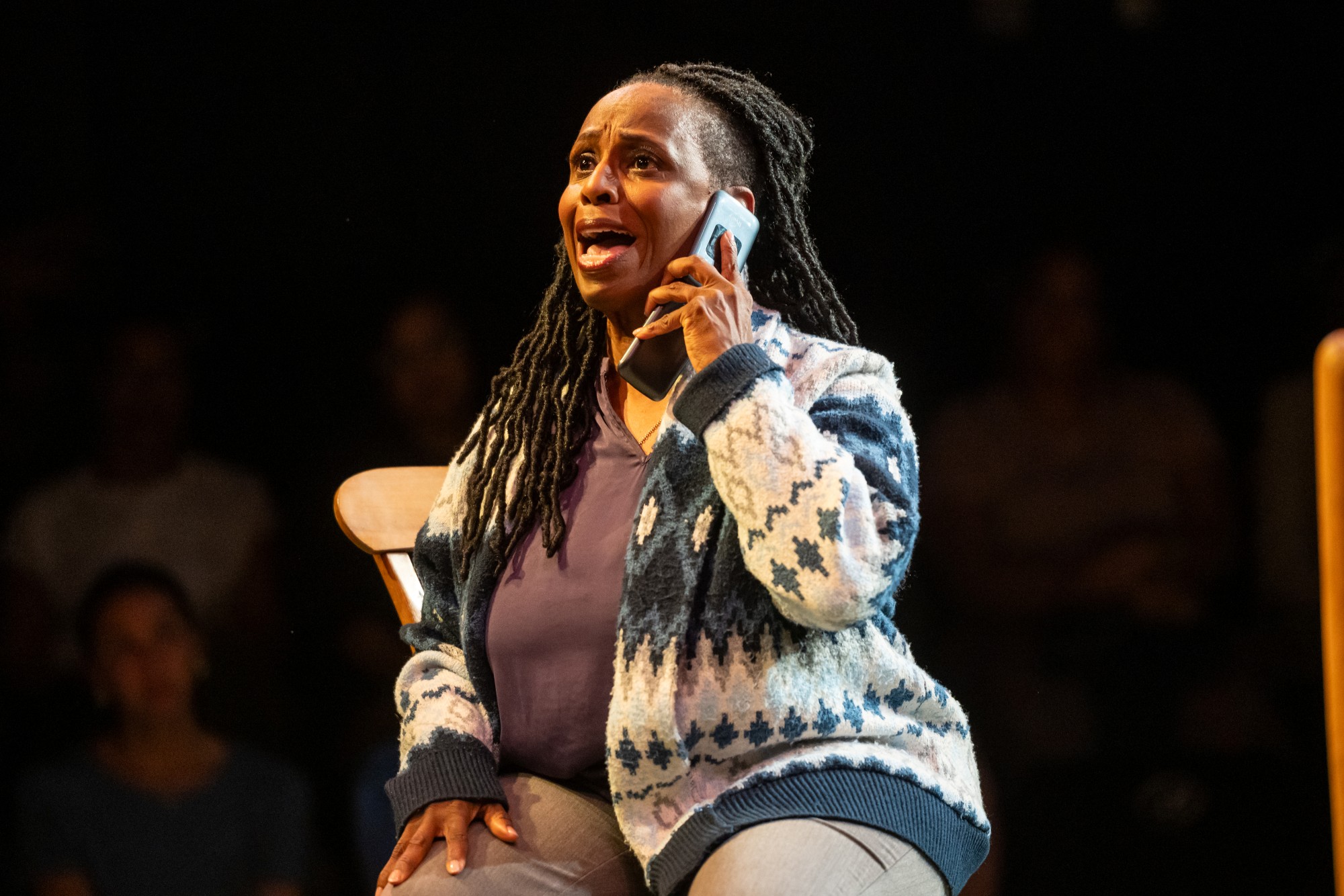
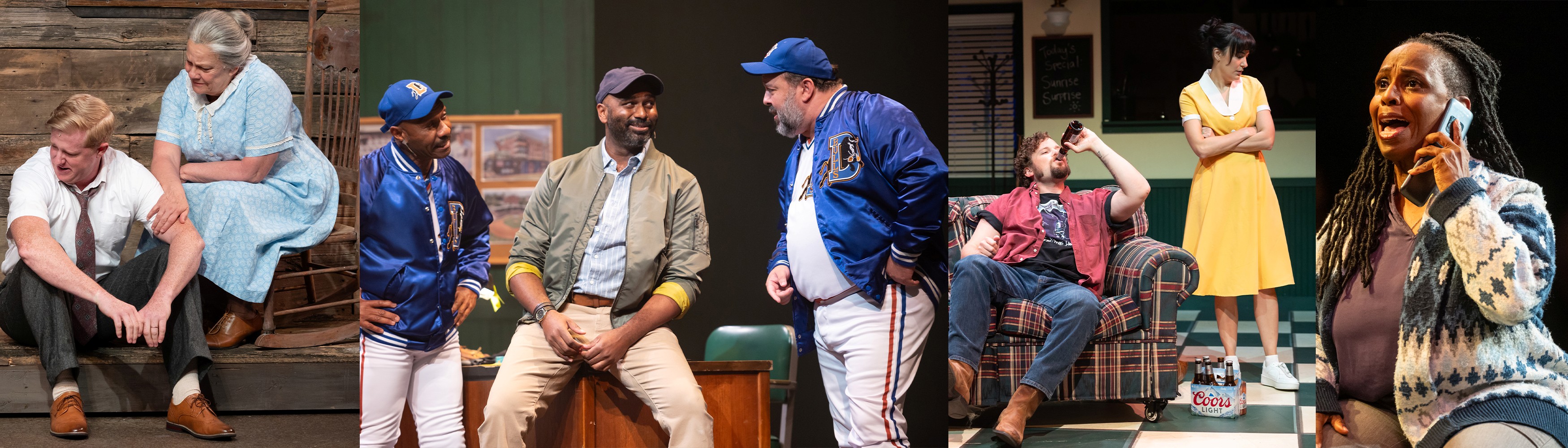
Equity member Yolanda Rabun in Come From Away. Photo by Jennifer Robertson Photography.
The theatre began hiring Equity members as soon as they incorporated, and in 2021 it signed an SPT Agreement, becoming an Equity theatre. More recently, Theatre Raleigh became an early adopter of the Independent Theatre Contract, another step in their growth as they take on more ambitious productions.
Eric Woodall, an Equity member, was working largely as a casting director in New York. Not only had he grown up in North Carolina, he and Kennedy Brady were childhood friends. He visited to work with Theatre Raleigh early on, and eventually he moved down to North Carolina to lead North Carolina Theatre. When it closed in 2024, he joined Theatre Raleigh full-time as artistic director, with Kennedy Brady remaining as executive director.
The new leadership model both reflected and accelerated Theatre Raleigh's rapid growth. Another major factor has been the company's new space, which opened just last year.
"Theatre Raleigh productions have always been top‑notch," said Equity member Yolanda Rabun, who has worked at Theatre Raleigh several times, beginning with Hot Summer Nights at the Kennedy. "What has evolved over time, however, is the experience surrounding the performances – from the rehearsal space, to venue, to the accommodations for the artists."
The theater space is now the center of a four-building culture complex known as The Campus. The main theatre is 18,000 square feet and includes the mainstage (seating 200–250) a cabaret space (seating up to 170), lobby offices, backstage, triage costume shop and scenic shop. Across the way is the main costume shop, the home and performance space of the youth program Theatre Raleigh ACT, as well as a studio theatre.
"Every room you go into, some kind of art is being produced," said Kennedy.
The newest addition is "The Green Room," a cafe that serves coffee, wine and ice cream and hosts events of its own like trivia and open mic nights. The cafe marks another way that Theatre Raleigh is further integrating into the community. Its purpose is to be a space where artists, students and their parents hang out when they have reason to be at the campus, but it can also be a point of entry for any local resident. Patrons who want drinks after a show can even hitch a ride on a golf cart there from the mainstage theatre.
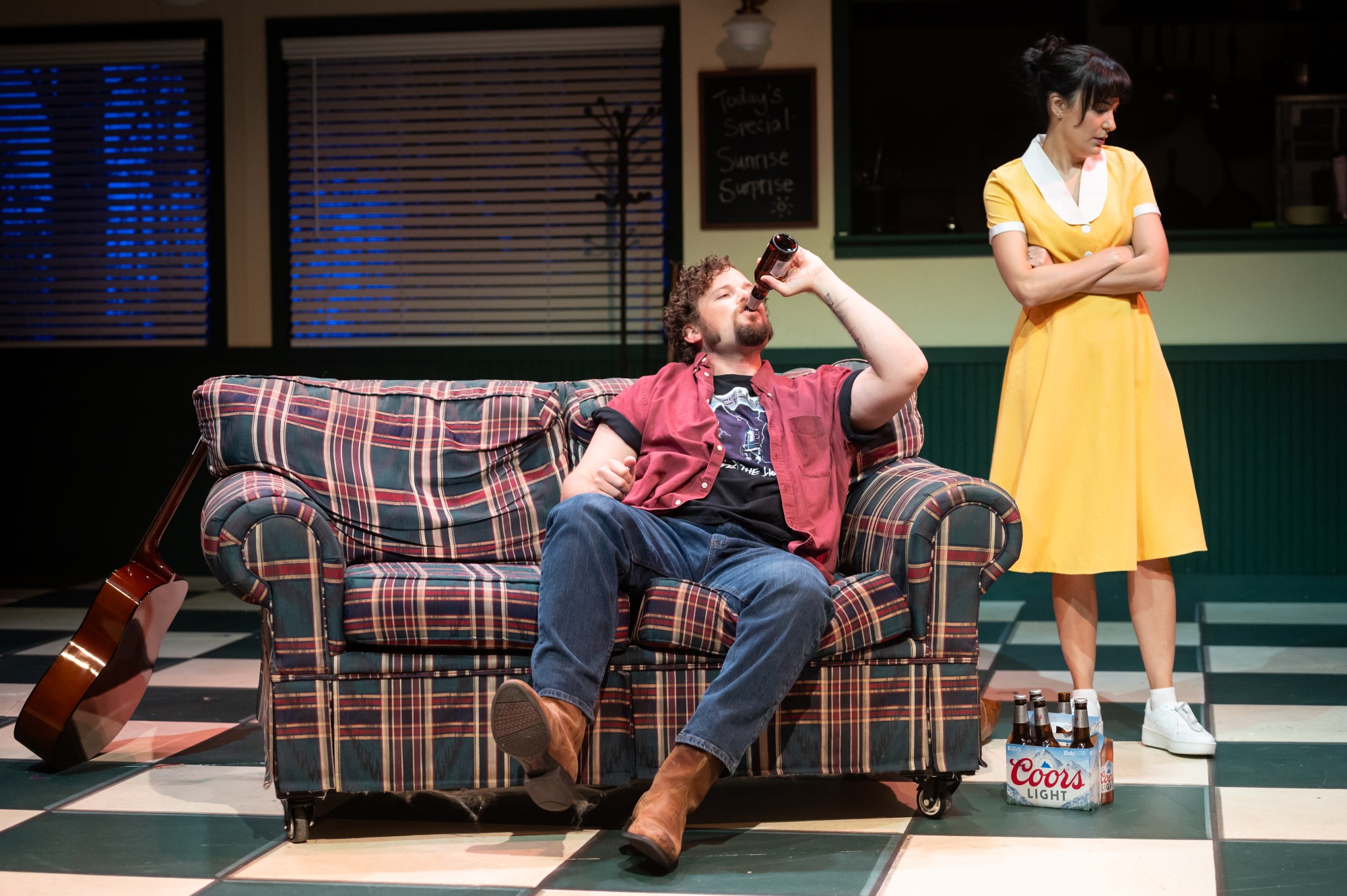
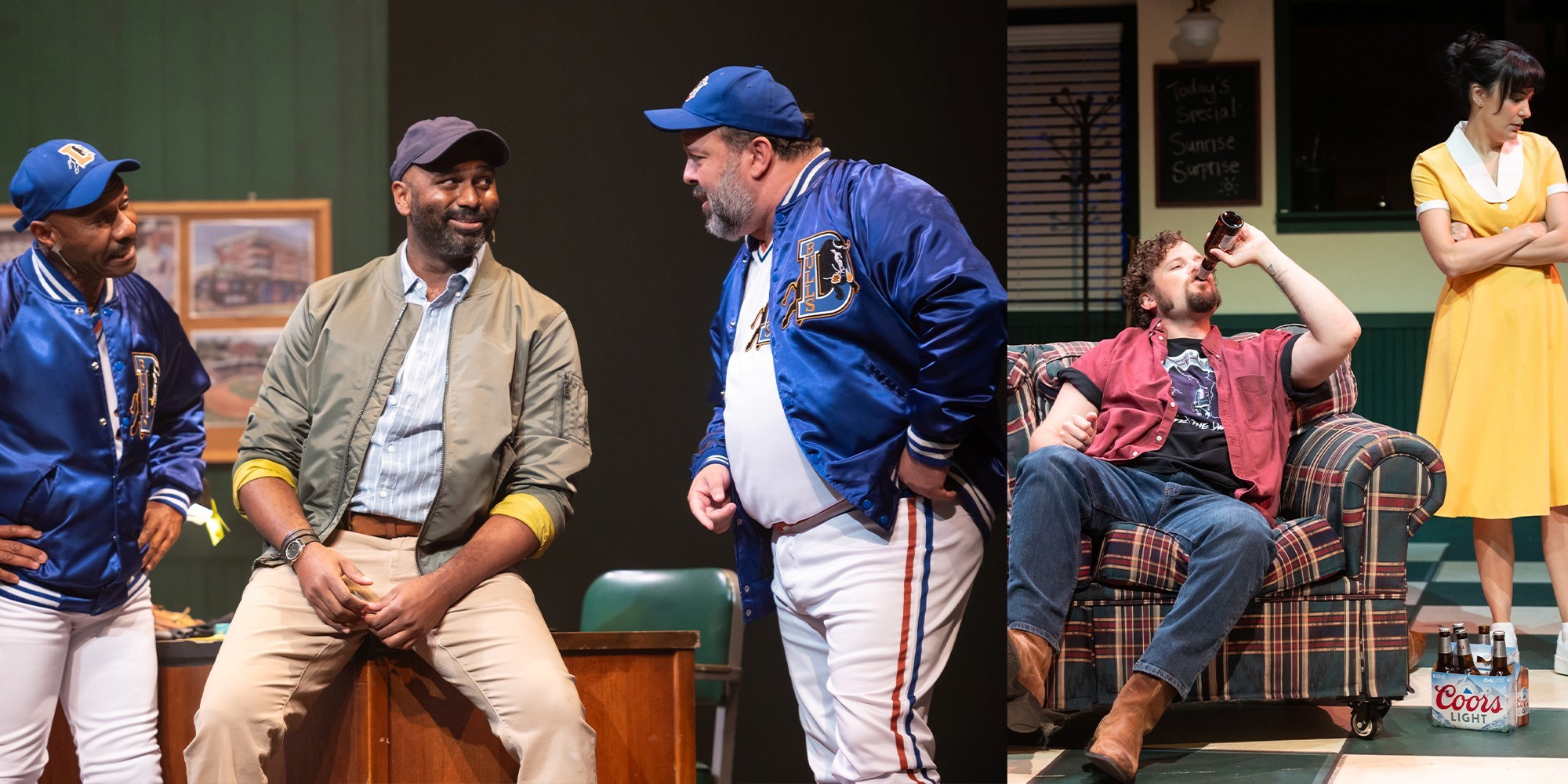
Equity members Bradford B. Frost (left) and Alyssa Fox in Waitress. Photo by Jennifer Robertson Photography.
On a recent day, Woodall was leaving a tech rehearsal for the youth theatre and passed actors hanging out at the cafe, costumers on sewing machines, even a rehearsal going on in the lobby.
"This is everything we dreamed of," he said.
Theatre Raleigh meets an important, growing niche for the Triangle. The area is big enough to sustain first-run national tour stops, and there is robust community and university theatre. Theatre Raleigh is local and homegrown, but professional and ambitious, hiring a mix of local and Broadway talent.
"We're more environmental," said Kennedy. "It's very grassroots, and so intimate."
The current model is to center seasons on five mainstage productions, with a robust subscription base. Audiences love the intimate space that makes the top-tier productions feel almost immersive. The theatre takes this opportunity to not just breathe fresh life into Broadway hits (recent productions include Come from Away and Once on This Island), but to take chances with newer works as well. For example, in 2024 management brought in Megan McGinnis to direct a revamped version of the chamber musical Jane Eyre, starring Julie Benko, which also featured local talent. Production after production has built up its reputation and momentum.
"They have an instinct for selecting productions that tell powerful, meaningful stories, but just as importantly, they are intentional about assembling exceptional teams to bring those stories to life," said Rabun. "Great theatre happens when great people are trusted to do their best work behind the scenes. It's that commitment to talent, collaboration and excellence that elevates every production and makes the experience truly unforgettable."
On the local side, a bit over a year ago, Theatre Raleigh purchased a children's theatre company, and now Theatre Raleigh ACT has over 700 students, some of whom eventually work on mainstage productions or even pursue careers in the arts, deepening the theatre's presence in the community.
"We've had very loyal patrons, but it's really starting to get out there, which is exciting for us," said Kennedy Brady.
"I have seen the interest in actors wanting to audition not just double but triple when we put out audition notices," said Woodall. "I get hundreds of tapes and submissions and sign ups within hours of announcing a particular show. We look forward to more and more of that."
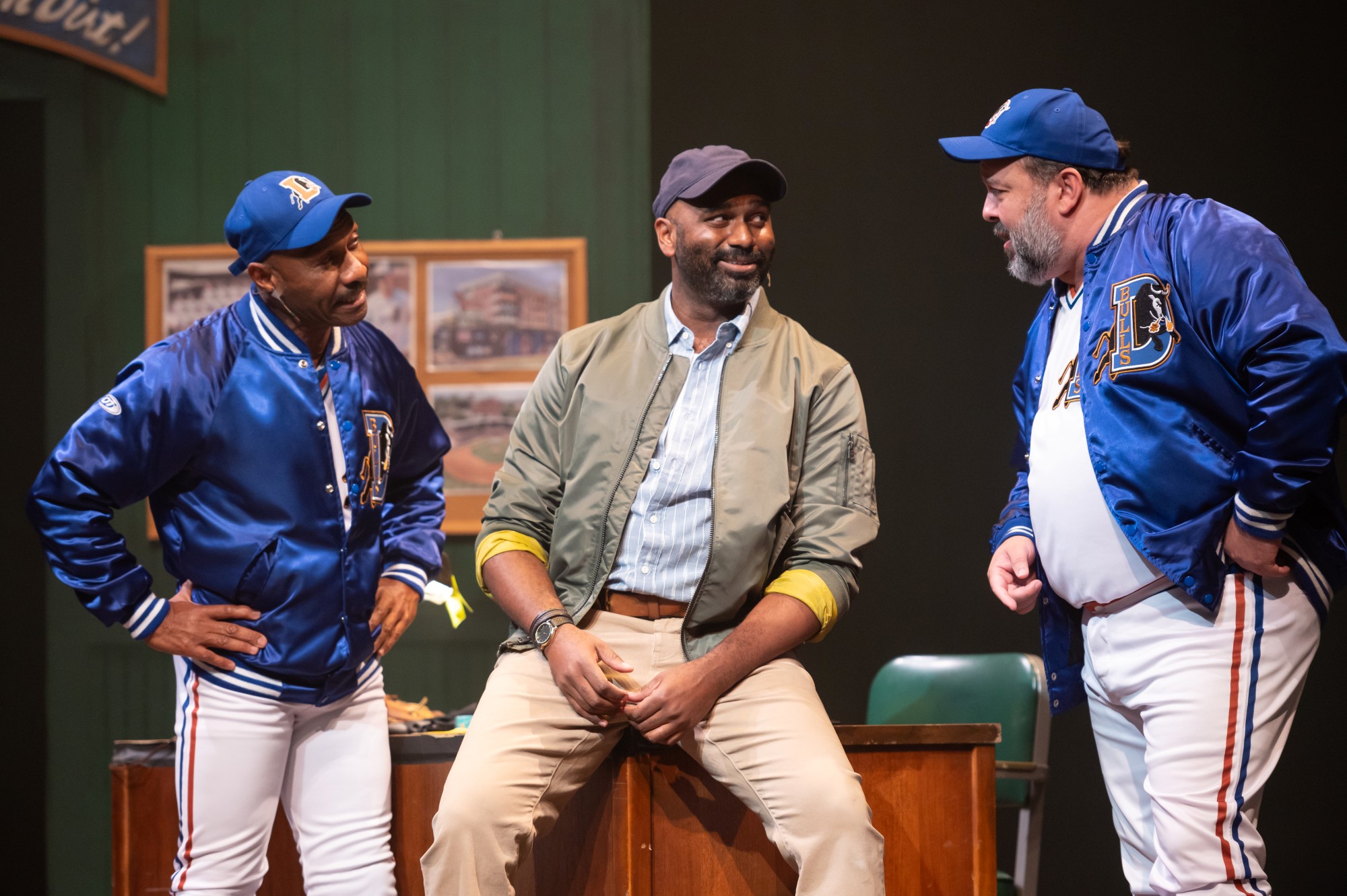
From left: Equity members Charles Holt, Nik Walker and Brian Ray Norris in Bull Durham: The Musical. Photo by Jennifer Robertson Photography.
As the Triangle continues to flourish, it is attracting entertainment professionals who want a relatively affordable place to live with a great lifestyle, while remaining in close travel distance to several large theatrical markets. Kennedy Brady hopes that the Triangle can eventually become a place where it is common for theatre workers to support their families through their art.
"We hope to take a leading role in inspiring other companies to grow more so we can offer that to this area," she said.
"We end up cultivating and working with some of the most incredibly talented people – who happen to live here," said Woodall.
Since both Theatre Raleigh directors joined Equity early in their careers, upgrading to becoming a union theatre as soon as they could was a no-brainer.
"It's important we're an Equity theatre so we have certain standards for treatment and pay and be sure we're taking care and setting a standard across the board," said Kennedy Brady.
"We're invested in the development of actors and stage managers taking a step to be a part of the union because it is something to aspire to and to strive for," added Woodall.
Take Mette CJ Schladweiler, who first worked at the theatre during its Hot Summer Nights at the Kennedy days and has worked on one or two productions a year there ever since. At the beginning of her career, she had been on track to become a full-time stage manager, but she decided to pursue biology as her primary job.
"I love theatre so much, but I don't want to get burned out," she said.
She still stage managed on the side, largely working alongside her mentor at community theatres. When he passed, she joined Equity at last, in 2022. She credits Theatre Raleigh with her decision to finally make this transition; they were just getting on a full seasonal agreement, and she needed to join if she wanted to continue to serve as production stage manager. But it felt well worth it; she considers it her home theatre now.
"At that point it was a no brainer because I'd had so much fun, and I'd already been there and seen the growth," said Schladweiler. "Where I work, I want to have fun and enjoy what I'm doing. It also challenges me because I get to work with so many kinds of people... It's a great learning ground."
As for Frost, he auditioned for Theatre Raleigh for the first time soon after moving to North Carolina.
"Just being able to audition for them was kind of a joyous moment because it meant that that ship wasn't completely sailed, that there still was opportunity for me to find my place," he said.
While he was not cast then, he loved the attention and care the theatre leadership showed in the room. In turn, the producers were impressed with his background and connected him with a local theatre group for artists with disabilities, giving him an opportunity to wed different parts of his professional life.
Then, last year, he was finally cast in a production at Theatre Raleigh, as Earl, the no-good husband to the protagonist in Waitress. He got to experience the high-level production process and enthusiastic audiences firsthand.
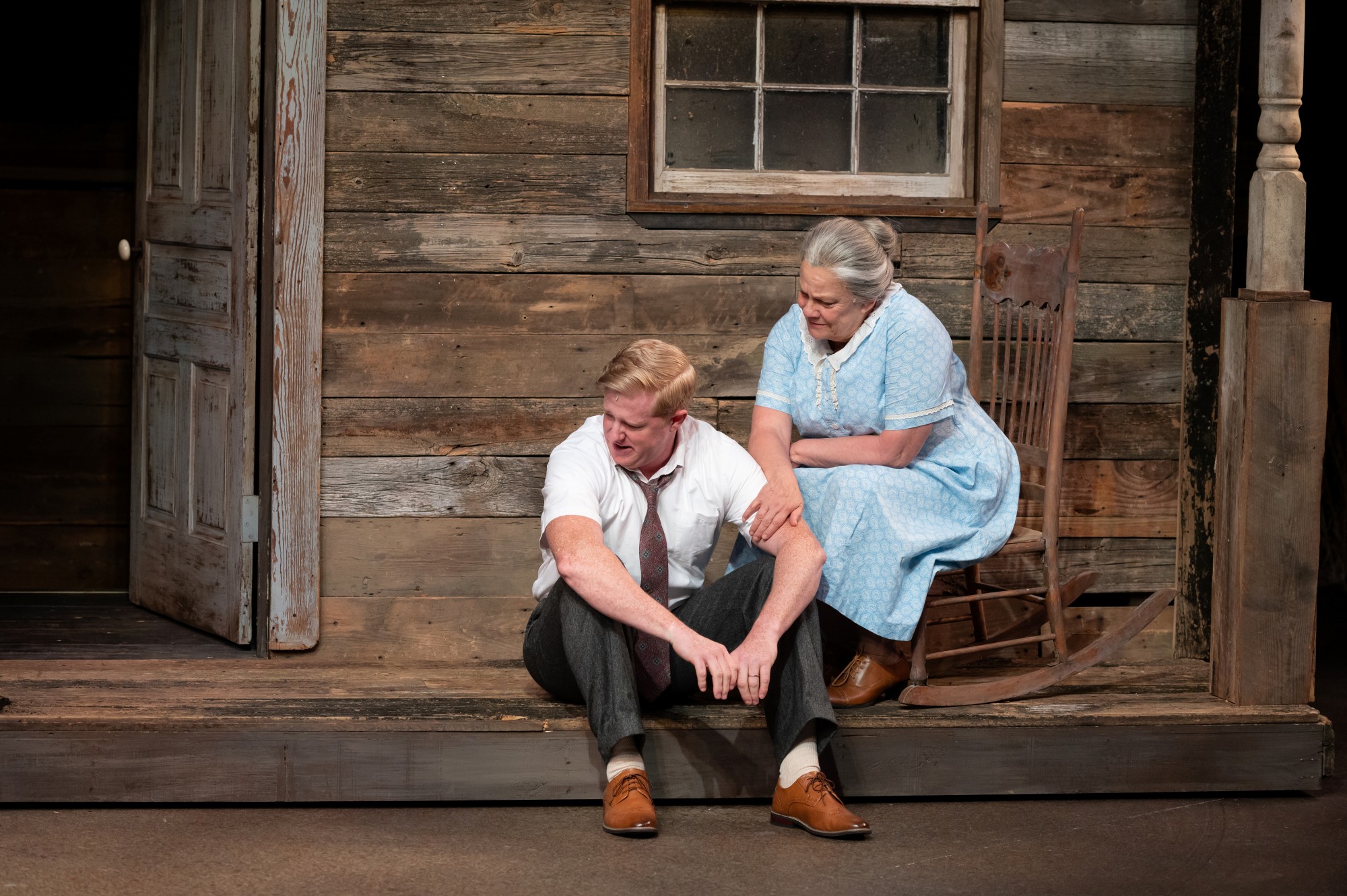
Equity members Will Ray (left) and Kim Zimmer in The Trip to Bountiful. Photo by Jennifer Robertson Photography.
"He's definitely the villain of the show so, I would gauge my performance based on if at the end of the night they booed me off stage," he said. (On a really good night, they would even boo at curtain call.)
"It's inclusive. The community is great from front of house to back of house to everybody in charge," said Frost. He noted that Woodall personally emails actors who are not cast from callbacks, a rare courtesy in the industry. "No one is too big for their britches."
Frost's career evolved offstage, as well: he began teaching theatre full time. So now, Frost works with both industry-bound students and students at the non-profit, and he has summers off to audition for Equity work at Theatre Raleigh. He has even seen his students perform at Theatre Raleigh.
"It's a big full circle moment for me," he said. "Sometimes you don't know you're living your dream until you are."
For many North Carolinian Equity members, Theatre Raleigh's ascension has validated that they are where they need to be. It provides a sense of balance as they navigate their own unique careers as artists, and anything else.
"Being an Equity actor in North Carolina feels deeply personal to me," said Rabun. "You're held to a high standard, but you're also so connected to the community you're telling stories for. And when you have companies like Theatre Raleigh – producing work at such a high, professional level – it makes that experience even more meaningful. It raises the bar for all of us."
Theatre Raleigh's next production is a site-specific Hunchback of Notre Dame at a historic church in downtown Raleigh in partnership with a local choral music group.
The surge in interest from audiences and artists alike has been a sign to keep growing and keep raising the bar for theatre in the Triangle.
Leave a commentOrder by
Newest on top Oldest on top